


An initial public offering (IPO) is how a company becomes listed on a stock exchange. When a company becomes publicly traded, it files paperwork with the Securities and Exchange Commission (SEC) to offer its shares to investors. The SEC is a federal agency that modulates securities markets in the United States.
Qualifying for an IPO
To qualify for an IPO, a company must be profitable and have demonstrated that it can generate revenue. The company must also have good governance practices, including independent directors on its board and audited financial statements. Finally, the company must provide detailed information about its business and management team to potential investors.
Once the company has filed its paperwork with the SEC, it begins a “roadshow” where company executives travel to different cities to meet with potential investors. The roadshow is an opportunity for the company to market its stock and answer questions from potential investors.
The last step in the IPO process is the pricing of the stock. It is done by a syndicate of investment banks, which determines how much the stock will be sold for and what percentage of the company will be offered to the public.
Primary and Secondary offerings
IPOs can be either primary or secondary offerings.
A primary offering is when the company sells new shares of stock to the public for the first time. A secondary offering is when a company sells shares it already owns to the public.
Types of IPOs
There are two types of IPOs: registered and unregistered.
A registered IPO is when the company files a registration statement with the SEC, which provides detailed information about the company and its securities.
An unregistered IPO is when the company does not file a registration statement but instead relies on Rule 505 or Rule 506 of Regulation D to qualify for exemption from registration.
Benefits of going public
There are several benefits to going public:
- A company can raise initial funds by selling shares of stock to the public. This money can grow the business, repay debt, or make acquisitions.
- A company can gain access to capital markets and obtain a higher valuation by being listed on a stock exchange.
- A company can create a liquidity event for its shareholders by selling shares to the public.
Risks of going public
There are also several risks associated with going public:
- A company must comply with various regulations governing securities markets. These regulations can be costly and time-consuming to comply with.
- A company’s stock may be volatile after it goes public and may experience a decline in its share price.
- A company’s management team must effectively manage a publicly-traded company, which is challenging.
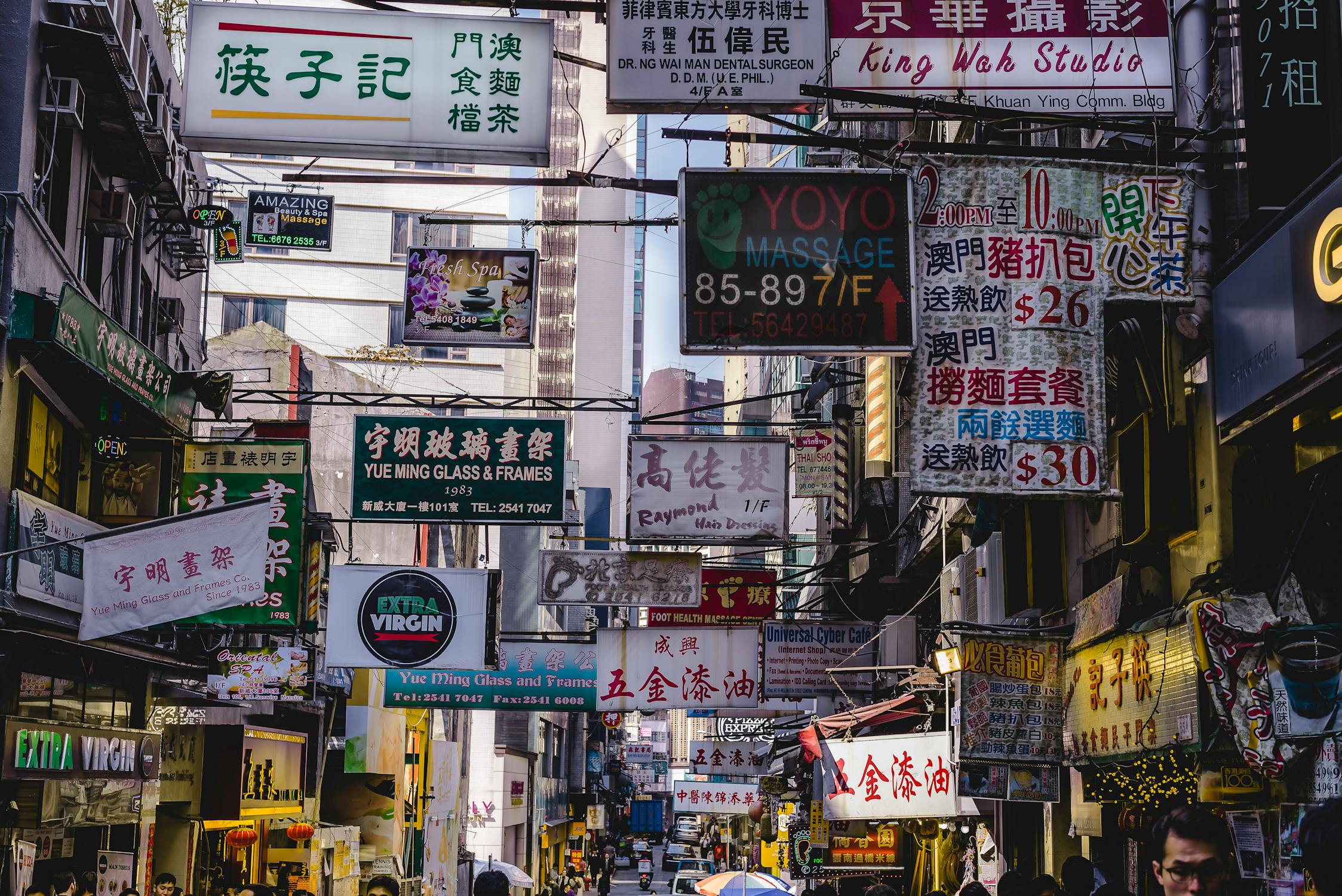
Hong Kong has two leading stock exchanges: the Hong Kong Stock Exchange (HKEX) and the Growth Enterprise Market (GEM). Several IPOs occur on these exchanges every year.
Some notable recent IPOs in Hong Kong include:
- AIA Group (2018)
- Xiaomi Corporation (2018)
- Meituan Dianping (2018)
- Pinduoduo (2018)
- Bytedance (2019)
The HKEX is the larger of the two exchanges, with a market capitalization of approximately US$4 trillion. The GEM is a smaller exchange, with a market capitalization of approximately US$200 billion.
Companies must comply with several rules and regulations when listing on these exchanges. For example, companies listed on the HKEX must have a minimum market capitalization of HK$500 million (approximately US$64 million).
There are components to consider when deciding whether or not to go public. A company should weigh the benefits and risks of going public before deciding. If a company is thinking of making an IPO, it should consult with a financial advisor to tell them the best way to proceed.
Thank you for choosing our article. We hope that you found this information helpful and informative.For more information on IPOs, get it here.
